
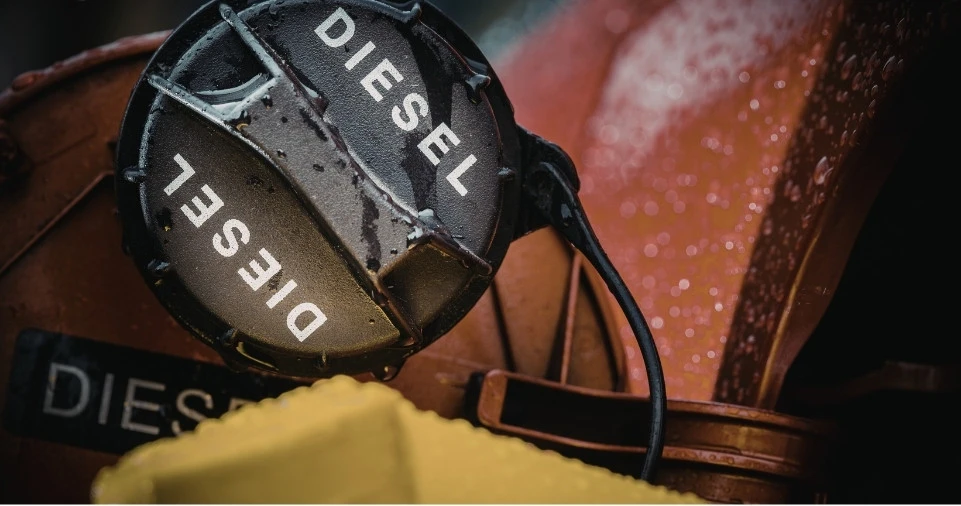

⚡ Quick Answer: Untreated diesel lasts 6-12 months in clean, sealed storage. Properly treated diesel (stabilizer, biocide, water control, cool temperature) lasts 18-24 months. Ultra-Low Sulfur Diesel (ULSD) and B5-B20 biodiesel blends degrade faster than older formulations because hydro-treating stripped out natural antioxidants and biocidal sulfur compounds.
You filled the generator tank in spring. Eighteen months later, the power goes out, you flip the switch, and the engine cranks for forty seconds before stalling on a clogged filter. The repair quote is $2,800, and your data center was offline for six hours. Fuel does not announce its own expiration. It silently degrades inside your tank while you assume it is fine — and the people who learn this lesson tend to learn it during the exact emergency the fuel was stored to handle.
Modern diesel is chemically different from the diesel your equipment manuals were written for. The EPA’s 2006 Ultra-Low Sulfur Diesel rule capped sulfur at 15 parts per million, and the hydro-treating process that removed the sulfur also stripped out naturally occurring antioxidants and biocidal compounds that previously stabilized stored fuel. According to Bell Performance’s 2026 storage analysis, today’s ULSD rarely maintains stability for 18-24 months without preventive treatment — the very window the older standard guidance still cites. Adding to the problem, almost all U.S. retail diesel now contains up to 5% biodiesel (B5), which is hygroscopic and feeds the microbial colonies that produce the sludge clogging your fuel filters. Three variables decide your shelf life: water, temperature, and time since the last stabilizer dose.
How Long Does Diesel Last in Storage?
Diesel shelf life splits into four tiers based on storage discipline. Untreated diesel in an open or poorly-sealed tank typically lasts 6-12 months before measurable degradation. Diesel with a stabilizer added at the point of fill, stored cool and sealed, lasts 18-24 months. Diesel in a temperature-controlled underground tank with quarterly testing and biocide treatment can remain serviceable past 24 months. Untreated B20 biodiesel blend in a hot, vented tank can fail in as little as 6 weeks.
The numbers vary across competitor sources because most do not separate the variables. React Power Solutions reports that untreated diesel averages 6-12 months while treated diesel reaches 18-24 months. Fuel Ox lists 18-24 months as the upper-bound for “ideal” sealed cool storage. Donaldson Engine & Vehicle warns that shelf-life recommendations for petro diesel and biodiesel blends are now less than a year, with some real-world cases failing inside two months. The range is real — it reflects how much storage discipline the operator applies.
Here is the actual decision matrix, built from the four variables that control diesel shelf life:
| Storage Tier | Conditions | Realistic Shelf Life | Risk Level |
| Tier 1 — Survival | Open or loosely sealed tank, ambient temperature swings, no stabilizer, no testing | 6 weeks to 6 months | High — assume failure when needed |
| Tier 2 — Standard | Sealed tank, ambient temperature, no additive, no testing | 6-12 months | Moderate — viable for low-stakes use |
| Tier 3 — Managed | Sealed tank, cool storage (under 70°F), stabilizer at fill, annual test | 12-24 months | Low — suitable for backup generators |
| Tier 4 — Critical | Underground or insulated tank, biocide + stabilizer, water draining, quarterly lab test | 24-36+ months | Minimal — suitable for hospitals, data centers |
The tier you actually occupy is almost always one level lower than the tier you think you occupy. If the last time you tested your fuel was “when we installed the tank,” you are operating in Tier 2 at best. The fuel does not know your intent.
Why Modern Diesel Goes Bad Faster Than It Used To
Diesel fuel sold today has weaker oxidative defenses than diesel from twenty years ago. According to Donaldson Engine & Vehicle’s technical analysis, the hydro-treating process used to meet ULSD sulfur limits destroys naturally occurring antioxidants alongside the sulfur, which is why some modern ULSD fuels require added stabilizers to prevent the peroxide formation that produces soluble gums. The fuel you buy today is not the fuel your grandfather’s tractor manual assumed.
Three chemical changes drive the faster degradation. First, sulfur reduction from 5,000 ppm (pre-2006) to 15 ppm removed the natural biocide that suppressed microbial growth at the fuel-water interface. Second, hydro-treating stripped lubricity and antioxidant compounds, leaving fuel more reactive to oxygen. Third, biodiesel blending — virtually all U.S. on-road diesel contains up to 5% biodiesel per EPA renewable fuel regulations — added molecules that are hygroscopic (attracting and holding water) and more nutritionally attractive to fuel microbes. The combination matters more than any single factor. ULSD plus B5 in a vented warm tank is a substantially more contamination-prone system than the high-sulfur diesel of the 1990s ever was.
This is why operators with decades of experience are sometimes the most exposed. The rule of thumb they learned in 1995 — “diesel keeps fine for a couple of years” — was true for the fuel they were storing then. Apply it to ULSD plus B5 today and the failure mode arrives roughly twelve months ahead of schedule.
The Four Things That Actually Kill Stored Diesel
Diesel does not fail from age alone. It fails from four specific mechanisms, and the rate at which each one progresses depends on conditions you can largely control. Understanding which mechanism is attacking your fuel decides which treatment will actually save it.
Oxidation. When diesel reacts with atmospheric oxygen, peroxides form and trigger chain reactions that produce gums, varnish, and insoluble sediment. These compounds clog injectors and fuel filters. Heat accelerates the reaction — fuel stored at 95°F oxidizes roughly twice as fast as fuel stored at 70°F. Sealed tanks with minimal air exposure dramatically slow this mechanism.
Microbial contamination. Bacteria and fungi (the so-called “diesel bug”) colonize the interface between fuel and any water present in the tank. According to Centre Tank Services’ contamination guide, once these organisms establish themselves they produce a biofilm sludge that blocks filters, corrodes tanks, and contaminates pumps. Microbial populations can double every six hours in warm conditions, which is why a minor problem becomes a major one inside a single week.
Water intrusion. Water enters tanks through condensation cycling, loose fittings, and damaged vent caps. Water settles at the bottom of the tank, creating the interface microbes need to grow. Biodiesel-blended fuel attracts and dissolves more water than petroleum diesel alone, making B5+ blends inherently more vulnerable.
Thermal cycling. Repeated heating and cooling breaks down long-chain hydrocarbon molecules and produces insoluble particles. Above-ground tanks exposed to direct sun experience the worst cycling. Underground or insulated tanks experience the least.
Here’s what most guides miss: these four mechanisms compound each other. Water enables microbes, microbes produce acid that accelerates oxidation, oxidation byproducts trap more water, and thermal cycling drives all three faster. You do not solve one and leave the others. The shelf life numbers in the matrix above assume you address all four.
How to Tell If Stored Diesel Has Gone Bad
The most reliable warning sign is color. Fresh diesel is clear and light amber. Degraded diesel turns dark brown or nearly black as oxidation byproducts and microbial waste accumulate. According to Bell Performance’s storage diagnostic guide, the most visible sign is color — diesel that was clear or light amber when fresh will turn dark brown or nearly black as oxidation and microbial activity accelerate. Pull a sample into a clean clear glass jar and hold it up to light. If you cannot see through it, the fuel is already in trouble.
Five other signs warrant testing or replacement:
- Cloudy or hazy appearance — indicates water emulsification or particulate contamination
- Visible sediment or sludge at the bottom of a settled sample — confirms advanced oxidation or microbial growth
- Distinct water layer at the bottom of a sample jar — water intrusion confirmed
- Sour, rancid, or rotten-egg smell — sulfur-reducing bacteria producing hydrogen sulfide
- Slimy coating on dipsticks, fill caps, or tank surfaces — biofilm from established microbial colony
For mission-critical installations, visual inspection is not enough. Send a sample to a certified lab for ASTM D975 testing — the standard published by ASTM International for diesel fuel. According to Foster Fuels’ testing guidance, the ASTM D975 specification includes 13 standardized tests with acceptable limits, and most stored-fuel programs should perform testing at least once per year. Hospitals, data centers, and other facilities running emergency generators should test quarterly. The cost of a lab analysis is roughly $100-300 per sample — meaningfully less than one filter-clog repair on a Tier 4 emergency engine.
How to Make Diesel Last 24+ Months
Extending diesel shelf life past 18 months requires four interventions, applied early. The order matters: each one is cheap insurance against the next problem accelerating. Treatment after degradation has started is recovery work, and it costs more and works less well than prevention.
Add a stabilizer at the point of fill. Stabilizers slow oxidation by neutralizing the peroxides that trigger gum formation. Modern formulations — Sta-Bil Storage, Power Service Diesel Fuel Supplement, Fuel Ox, and similar products — typically extend untreated 6-12 month shelf life into the 18-24 month range. Treat the fuel as it enters the tank, not after the tank has sat for a year.
Use a biocide for blends containing biodiesel. ULSD with biodiesel attracts more water and feeds microbes more efficiently than petroleum diesel alone. A biocide kills the colony before it forms a biofilm. The general guidance is a shock dose at fill and a maintenance dose every 6-12 months, though dosing rates vary by product.
Keep water out, and drain what gets in. Inspect vent caps, gaskets, and fill ports for damaged seals annually. Drain water from the tank bottom quarterly using the dedicated water sump or by polishing the tank. The single highest-leverage intervention against microbial contamination is removing the water layer microbes need to live in.
Control temperature. Fuel stored at 70°F lasts roughly twice as long as fuel stored at 95°F. If you cannot install an underground tank, locate above-ground tanks on the north side of buildings, paint them white, and shade them from direct afternoon sun. Insulation pays for itself inside one storage cycle.
For high-stakes installations, add a fifth step: quarterly fuel polishing. Polishing pumps the fuel through filtration that removes water, particulates, and microbial biomass, restoring the fuel to near-original ASTM D975 specifications. According to FuelCare’s polishing analysis, polishing restores most non-severely degraded fuel; only severely degraded fuel needs replacement.
Diesel Storage Differences: Vehicles, Generators, and Bulk Tanks
Storage context changes which mechanisms attack first. The same 1,000 gallons of treated ULSD will behave differently in a vehicle tank, a generator tank, and a bulk storage tank — and your maintenance plan should match the storage type.
Vehicle tanks. Most vehicle tanks experience high fuel turnover, which is itself a form of protection. The fuel is rarely in the tank longer than 30-60 days. The exception is seasonal equipment — boats, RVs, agricultural machinery — that sits for months between uses. For seasonal vehicles, treat the last fill of the season with stabilizer, top off the tank to minimize air space, and add a biocide if storage will exceed 90 days.
Standby generator tanks. Emergency generators are the highest-risk storage scenario because the fuel sits unused for 12+ months between fire-ups. The tank may be sealed, but the fuel has had a full year of slow oxidation and any condensation cycling. This is exactly the scenario where 18-month-old untreated fuel produces a 40-second crank-and-die event during an actual outage. Generator tanks should be on a treatment schedule from day one: stabilizer at fill, biocide annually, water draining quarterly, lab test annually.
Bulk storage tanks (500+ gallons). Bulk tanks have the longest fuel residence times and the most variables. Above-ground bulk tanks experience the worst thermal cycling. Underground bulk tanks experience the least but make water intrusion harder to detect. Both require quarterly sampling from top, middle, and bottom of the tank because contamination stratifies — sludge accumulates at the bottom, oxidation byproducts appear in the middle, water sits at the very bottom. A clean top sample does not mean a clean tank.
The financial math runs heavily toward prevention. A Tier 4 aftertreatment system on a modern diesel engine — diesel oxidation catalyst, diesel particulate filter, and selective catalytic reduction — costs $10,000-25,000 to replace if damaged by contaminated fuel. A year of stabilizer, biocide, and lab testing costs roughly $200-800. The decision is not whether to maintain stored fuel. It is whether to maintain it now or pay for it during an emergency.
Frequently Asked Questions
Can old diesel be saved or do I have to drain the tank?
In most cases, degraded diesel can be restored through fuel polishing — a filtration process that removes water, particulates, and microbial biomass to bring fuel back within ASTM D975 specifications. Severely degraded fuel with heavy sludge and advanced microbial colonies usually warrants replacement. Lab testing decides which category your fuel falls into.
Does diesel last longer than gasoline?
Yes. Diesel typically lasts 6-12 months untreated versus 3-6 months for gasoline, and 18-24 months treated versus 12 months for stabilized gasoline. Diesel’s higher evaporation temperature (around 140°F versus -70°F for gasoline) means the volatile lighter compounds do not evaporate off and leave varnish behind the way they do in gasoline.
Does diesel expire if it stays sealed?
Sealed storage slows degradation but does not stop it. Even in a perfectly sealed tank, residual oxygen drives oxidation, residual water enables microbes, and biodiesel content continues to react. Sealed untreated ULSD typically reaches the end of reliable shelf life around 12 months. Sealed treated ULSD reaches 18-24 months.
Is dyed off-road diesel different from on-road diesel for storage?
No. Off-road dyed diesel is the same ASTM D975 specification with a red dye added for tax-exempt marking. The shelf life, degradation mechanisms, and treatment requirements are identical.
How often should I test stored diesel?
For general-purpose stored fuel, test annually. For standby generators in commercial buildings, test annually plus before any planned high-load test. For mission-critical installations — hospitals, data centers, telecommunications — test quarterly. Cost is roughly $100-300 per sample at a certified lab.
What to Do This Week
Pull a sample from your stored diesel tank into a clean clear glass jar. Hold it up to light. If it is not bright clear amber, it has already begun to degrade. Smell it. If it is not faintly petroleum-like, microbial activity is established. Note the date the tank was last topped off and the date stabilizer was last added — if either is more than 12 months ago and the tank serves an emergency role, schedule a lab test and a stabilizer top-up this month, not next quarter.
The cost of taking diesel storage seriously is small, predictable, and tax-deductible. The cost of finding out your generator fuel was bad during an actual outage is unpredictable, sometimes catastrophic, and usually the most expensive education an operations manager ever pays for.
This article provides general guidance on diesel fuel storage. For mission-critical installations, consult a qualified fuel-management professional and follow manufacturer specifications for your specific equipment.
