
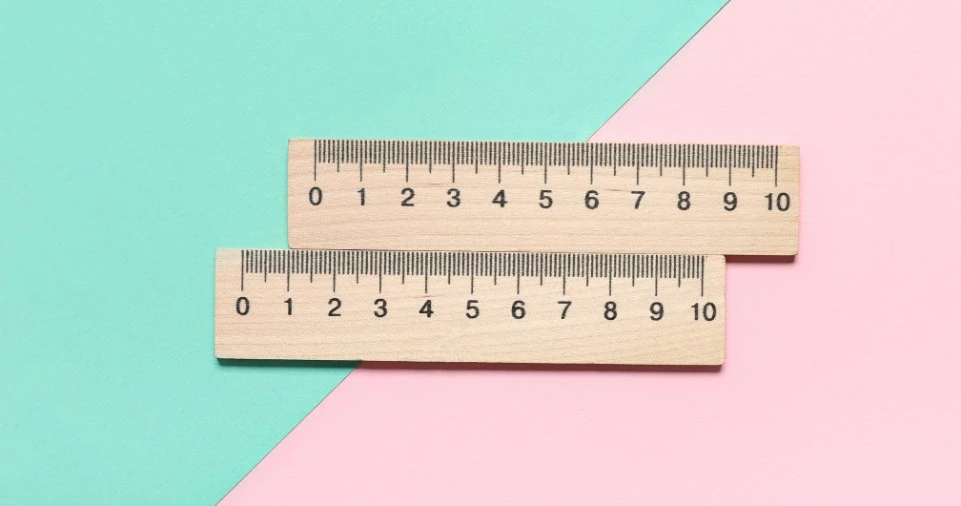

Quick: picture 10 inches in your mind right now.
Harder than it sounds, isn’t it?
I’ve watched people stare at their phones, spread their fingers awkwardly, and squint at imaginary rulers trying to answer this question. Whether you’re shopping online for a tablet case, helping your kid with math homework, or trying to decide between a 10-inch and 12-inch pizza, understanding this common measurement can save you time, money, and that sinking feeling when you realize the “perfect” item you ordered doesn’t actually fit.
Here’s the straightforward answer: Ten inches equals 25.4 centimeters, or 0.833 feet. But knowing the number and actually visualizing what that looks like in real life? Those are two completely different things.
In this guide, I’ll show you multiple ways to understand 10 inches—from quick tricks you can use right now to comprehensive comparisons organized by how you’ll actually use them. No fluff, no endless scrolling. Just practical help for real situations.
The Fastest Ways to Visualize 10 Inches Right Now
Don’t have time for a deep dive? Here are the three most reliable ways to picture 10 inches immediately, using things you probably have within arm’s reach:
1. Look at Your Standard Dinner Plate
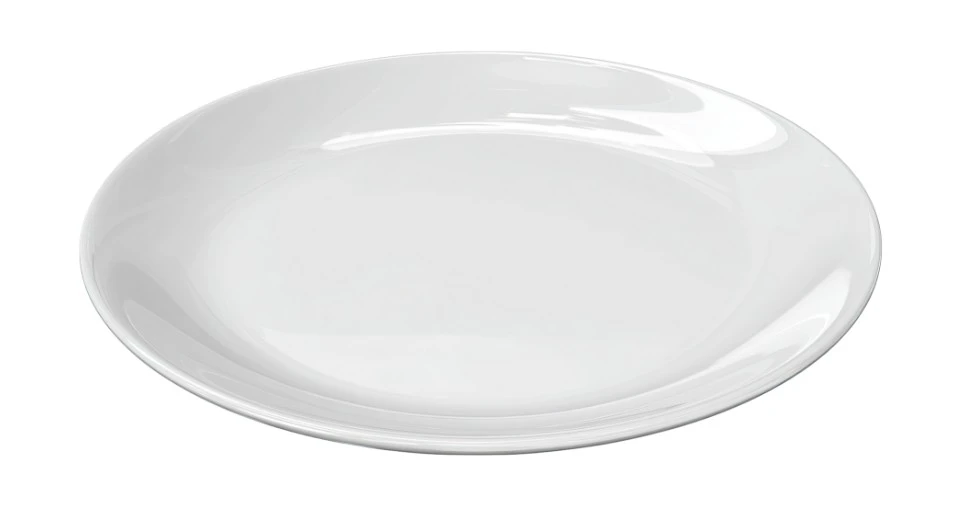
Walk to your kitchen cabinet and grab a dinner plate. Most standard dinner plates measure between 10 and 11 inches in diameter. Place it in front of you and visualize that width—that’s approximately 10 inches.
This works because dinner plates are designed to a consistent standard. While some decorative or specialty plates vary, the everyday plate you use for meals hits this measurement reliably.
Accuracy rating: ±1 inch | Availability: Found in 95% of homes
2. Line Up Three Credit or Debit Cards

Pull out your wallet. A standard debit or credit card measures exactly 3.37 inches long. Place three cards end-to-end, and you’ve got 10.11 inches—remarkably close to perfect.
This method works anywhere. You’re in a store? Use your card. Need to estimate something while traveling? Your wallet has the answer. It’s one of the most universally available measurement tools you carry every day without realizing it.
Accuracy rating: Within 0.1 inch | Availability: Everyone with a wallet
3. Check Your iPad or 10-Inch Tablet
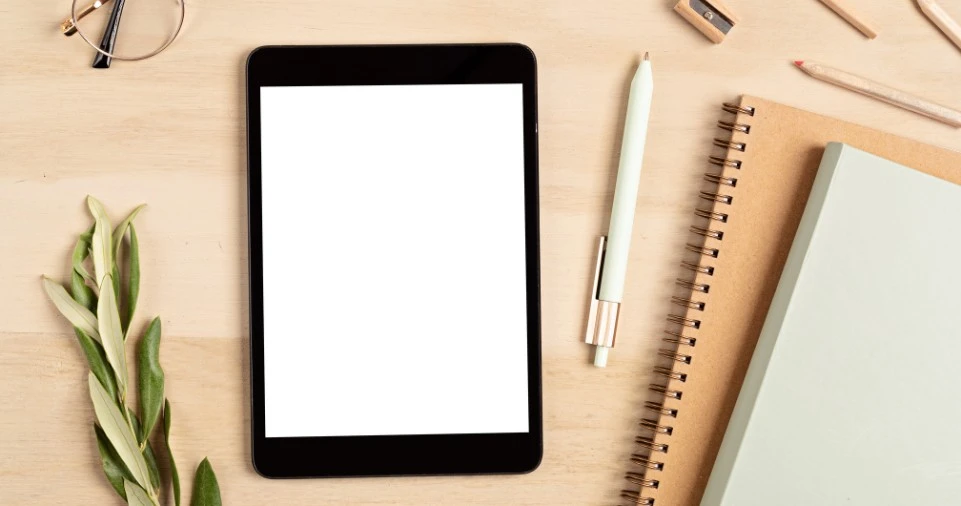
If you own an iPad (particularly the standard 10.2-inch model) or similar tablet, you’re holding a 10-inch reference. Measure diagonally from corner to corner of the screen, and that’s your benchmark.
The beauty of this method is precision. Manufacturers don’t approximate—they engineer to exact specifications. When Apple says 10.2 inches, they mean it down to the millimeter.
Accuracy rating: Exact | Availability: Tech users and families
Quick conversion table for reference:
| Measurement | Equivalent |
|---|---|
| 10 inches | 25.4 centimeters (exactly) |
| 10 inches | 0.833 feet |
| 10 inches | 254 millimeters |
| 10 inches | 0.278 yards |
Now that you have quick references, let’s explore why you actually need to know this and organize these comparisons in ways that match real-life situations.
Why Understanding 10 Inches Actually Matters
Before we dive deeper into comparisons, let’s talk about when this knowledge saves you from mistakes.
Last month, my neighbor spent $60 on a “10-inch laptop sleeve” without checking her actual laptop dimensions. It arrived. The laptop was 11.5 inches. The sleeve went back, and she waited another week for the right one—along with the hassle of return shipping.
Here’s when knowing 10 inches becomes practical:
Online Shopping: Product descriptions list dimensions, but your eyes see words, not sizes. When you can instantly visualize “10-inch screen” or “10-inch frying pan,” you make better choices before clicking “buy.”
Kitchen and Cooking: Recipes call for 10-inch pans. Pizza sizes determine how many people you can feed. Knowing the measurement prevents awkward moments when your ingredients don’t fit or your pizza leaves everyone hungry.
DIY Projects: Hanging picture frames? Spacing wall shelves? That’s where understanding 10 inches prevents re-drilling holes and patching walls.
Helping Kids with Homework: Your child brings home a geometry assignment. They need to understand measurements practically, not just theoretically. You become the helpful parent, not the one frantically Googling.
Complete Visual Reference Guide: Things That Are 10 Inches Long
Let’s organize this by category so you can find comparisons relevant to your specific situation. Each section includes accuracy ratings because—let’s be honest—not every “10-inch” object actually measures exactly 10 inches.
Kitchen and Cooking Items
The kitchen is measurement central. Most cooking and baking requires understanding dimensions, and manufacturers often standardize to 10 inches for good reason.
Large Bread Knife Blade Most quality bread knives feature blades between 9 and 10 inches long. The serrated edge needs enough length to slice through large artisan loaves without crushing them. Pick up your bread knife and examine the blade length—you’re probably holding something very close to 10 inches.
Accuracy: ±0.5 inch
Standard Frying Pan or Skillet Diameter Walk into any kitchen supply store, and you’ll find 10-inch skillets everywhere. This size is the sweet spot: large enough for cooking meals for 2-3 people, small enough to maneuver easily and store without hassle. Measure across the top of the pan (not including handles) to see this dimension.
Accuracy: Usually exact (manufacturer specified)
Medium Cutting Board Many wooden or plastic cutting boards designed for everyday use measure approximately 10 inches in width or length. They’re sized to fit standard counter space while providing adequate cutting surface.
Accuracy: ±1 inch
Quiche or Tart Pan Baking pans are manufactured to precise standards. A 10-inch tart pan means 10 inches in diameter, allowing recipes to calculate cooking times and ingredient quantities accurately.
Accuracy: Exact (manufacturer specified)
Sub Sandwich (Between 6-inch and Footlong) While not exactly 10 inches, the visual is helpful. A Subway footlong is 12 inches. The 6-inch is, well, 6 inches. Picture something right in the middle, and you’re imagining 10 inches of sandwich length.
Accuracy: Approximate
Technology and Devices
Tech specifications are precise, making electronic devices excellent measurement references.
iPad 10.2-inch Model (Diagonal Screen) Apple’s standard iPad features a 10.2-inch screen measured diagonally. This has become an industry standard size, offering the right balance between portability and usability. If you’ve ever held one, you know exactly how 10 inches feels in your hands.
Accuracy: Exact
Kindle with Standard Case E-readers, particularly Kindles with protective cases, often measure close to 10 inches in overall length. The device itself is smaller, but add the case and you’re at this measurement.
Accuracy: ±0.5 inch
Large Smartphone (Measured Diagonally) The biggest smartphones on the market, like the iPhone 15 Pro Max or Samsung Galaxy Ultra models, have screens approaching 7 inches diagonally. Add the bezels and case, and you can reach close to 10 inches from corner to corner. While not exact, it provides a size reference many people handle daily.
Accuracy: Approximate
Medium Laptop Screen Width While most laptops are measured diagonally (resulting in 13″, 15″, etc.), the actual width of the screen on a smaller laptop often falls around 10-11 inches. Place a ruler across your laptop screen horizontally to check.
Accuracy: Varies widely
Household Objects
These items help when you’re not in the kitchen and don’t have tech handy.
Standard Hardcover Book Height Large hardcover books, especially coffee table books or textbooks, frequently stand about 10 inches tall. Check your bookshelf—you likely have several at this height.
Accuracy: ±1 inch
Large Pair of Scissors Kitchen scissors or fabric-cutting shears often measure 9-10 inches from handle to blade tip. These aren’t your desk scissors—think heavy-duty household shears.
Accuracy: ±0.5 inch
Standard Hairbrush Length Many paddle brushes and styling brushes measure approximately 10 inches from the base of the handle to the top of the bristles. If you brush your hair daily, you’re handling this measurement regularly.
Accuracy: ±1 inch
Letter Envelope Length A standard #10 business services related envelope (the most common size for mailing letters) measures 9.5 inches long. It’s close enough to give you a solid visual reference.
Accuracy: Within 0.5 inch
Handheld Flashlight Multi-purpose household flashlights designed for general use typically measure 9-10 inches in total length, providing good grip and adequate light reach.
Accuracy: ±1 inch
Food Items
Sometimes the most relatable comparisons involve things you eat.
10-Inch Pizza (Diameter) This one’s straightforward—a personal or small pizza explicitly labeled as 10 inches. Pizza sizes are standardized, so a 10-inch pizza is exactly that. It typically serves 1-2 people and contains about 6 slices.
Accuracy: Exact
Large Carrot A full-size carrot from the grocery store (not baby carrots) often measures 9-11 inches in length. The variation depends on growing conditions, but it’s a decent natural reference.
Accuracy: ±1 inch
Two Standard Soda Cans Stacked A standard 12 oz soda can measures 4.83 inches tall. Stack two, and you’ve got 9.66 inches—close enough for practical visualization.
Accuracy: Within 0.4 inch
Body-Based Measurements (Use With Caution)
Body measurements vary significantly from person to person, but they’re helpful when you have absolutely nothing else available.
Adult Hand Span (Thumb to Pinky Stretched) When you stretch your hand wide, the distance from thumb tip to pinky tip averages 8-10 inches for adults. This varies based on height, gender, and individual anatomy. Measure yours once with a ruler so you know your personal measurement.
Accuracy: Highly variable (±2 inches)
From Wrist to Elbow (Approximately) For many adults, the distance from wrist to elbow approximates 10-11 inches. Again, this varies, but it can serve as a rough guide.
Accuracy: Highly variable (±2 inches)
Here’s a comprehensive comparison table showing the most reliable references:
| Object | Accuracy | Availability | Best Use Case |
|---|---|---|---|
| 3 Debit Cards | ±0.1″ | Universal (wallet) | Precise measurement needed |
| iPad 10.2″ | Exact | Tech users | Exact visualization |
| Dinner Plate | ±1″ | Most homes | Quick kitchen reference |
| 10″ Pizza | Exact | When ordering food | Understanding portion sizes |
| Bread Knife | ±0.5″ | Most kitchens | Cooking/baking context |
| Letter Envelope | ±0.5″ | Office/home | Mail/document sizing |
| Large Scissors | ±0.5″ | Most homes | Craft/DIY projects |
| Hand Span | ±2″ | Always available | Emergency estimation only |
How to Measure 10 Inches Without a Ruler
You need to verify a measurement right now, but there’s no ruler, measuring tape, or any official tools around. Here’s how to do it accurately using common items.
Method 1: The Debit Card Stack (Most Accurate)
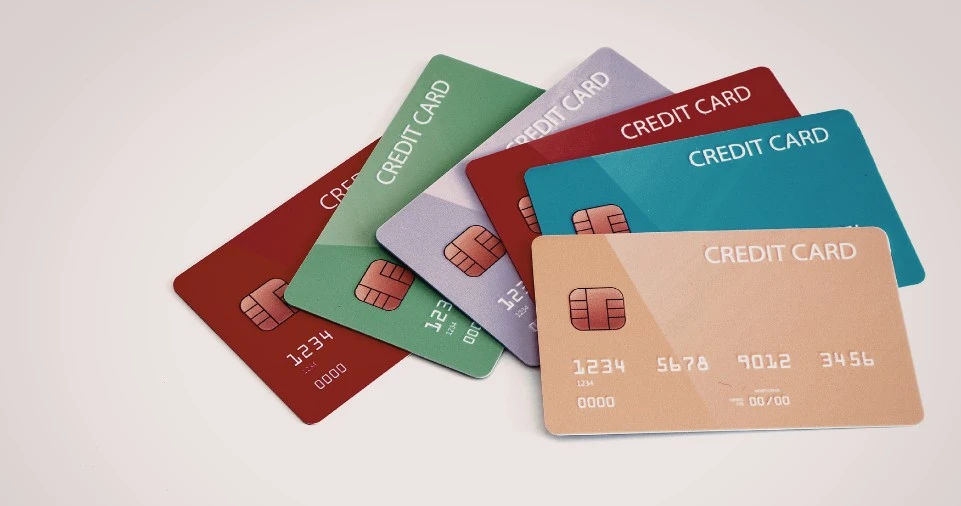
- Grab three credit cards, debit cards, or gift cards. They’re standardized at 3.37 inches long globally.
- Place them end-to-end on a flat surface, ensuring they’re aligned straight with no gaps.
- The total length is 10.11 inches—close enough for nearly any practical purpose.
Why this works: Card dimensions are regulated by the ISO/IEC 7810 standard. Every card manufacturer follows this specification, making cards incredibly reliable measurement tools.
Method 2: The Dollar Bill Technique

- Get two US dollar bills (any denomination). Each measures 6.14 inches long.
- Place one bill down. Position the second bill so it overlaps by about 2.3 inches.
- The total length from end to end is approximately 10 inches.
Note: This method requires estimation of the overlap, making it less precise than the card method but still useful.
Method 3: The Hand Calibration Method
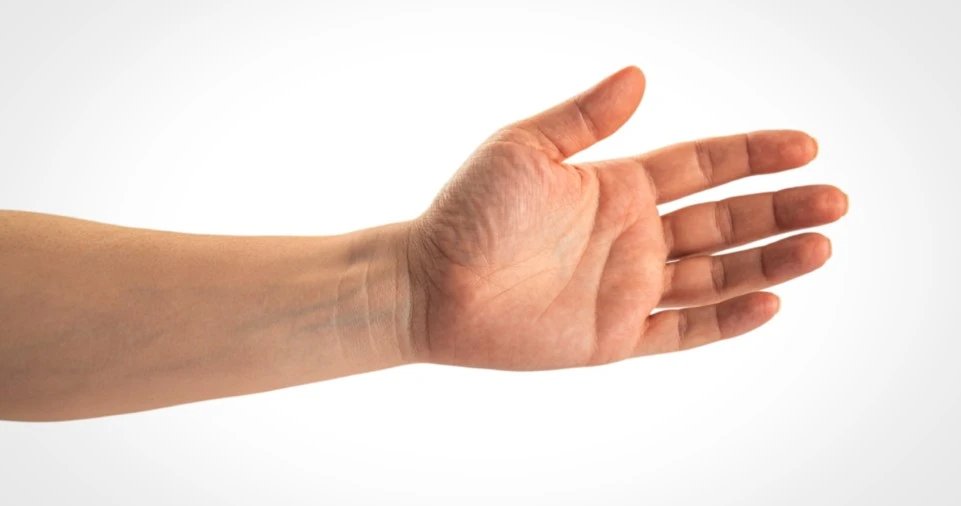
- First, you need to calibrate. Once you have access to a ruler, measure your actual hand span (thumb tip to pinky tip when stretched).
- Remember this number. For many adults, it’s 8-10 inches.
- Use your calibrated hand as a portable measurement tool. If your span is 9 inches, add a bit more. If it’s 8 inches, you’ll need your hand plus two fingers.
Important: This only works if you’ve actually measured your hand first. Assuming it’s 10 inches without verification is where people make mistakes.
Method 4: The Tech Device Method
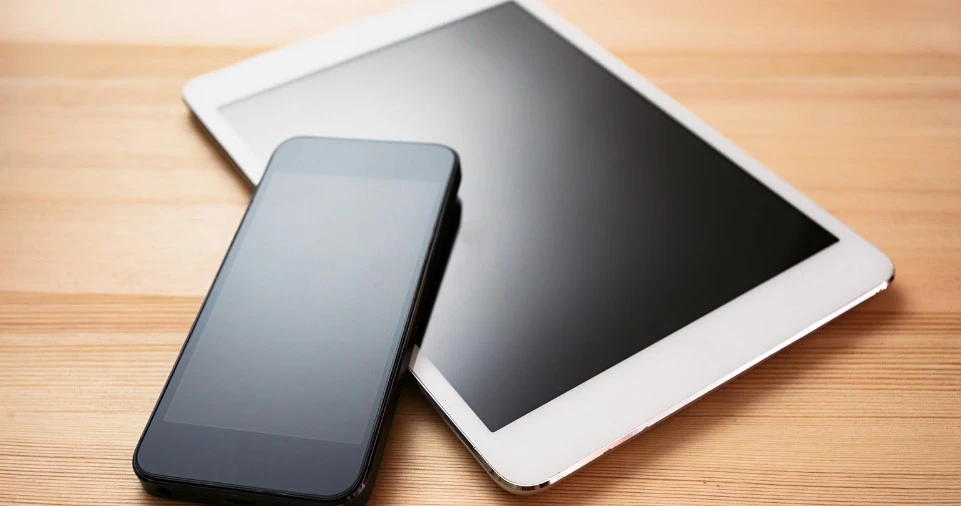
- Know your device dimensions. Look up your smartphone or tablet screen size.
- Use the device as a reference. For example, the iPhone 15 Pro has a 6.1-inch screen diagonally. That’s roughly 60% of 10 inches.
- Visualize or measure using your device as the base unit.
Real-World Scenarios: When Knowing 10 Inches Saves Time and Money
Let’s talk about actual situations where this knowledge prevents problems.
Scenario 1: Online Shopping for a Laptop Sleeve
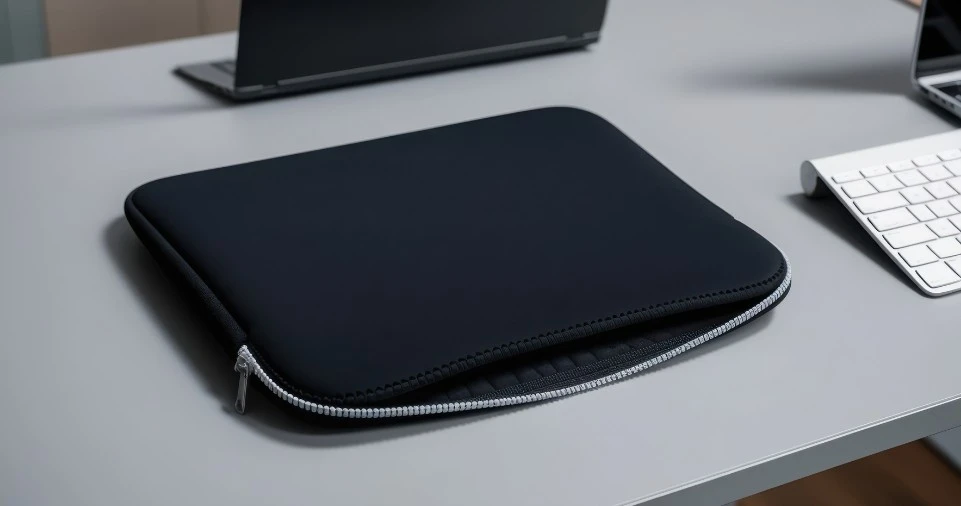
The Situation: You just bought a new laptop. The specs say “10.5-inch display.” You need a protective sleeve.
The Problem: Laptop dimensions are confusing. The 10.5 inches refers to diagonal screen size, not the actual length or width. The laptop itself might be 12 inches wide.
How 10 Inches Helps: Grab your dinner plate (approximately 10 inches). Compare your laptop to it. Is the laptop clearly bigger than the plate? Then a 10-inch sleeve won’t fit. You need to know the laptop’s actual dimensions, not just screen size.
The Lesson: Screen size ≠ device size. Always check length × width × height, and visualize those dimensions using reference objects.
Scenario 2: Choosing the Right Pizza Size
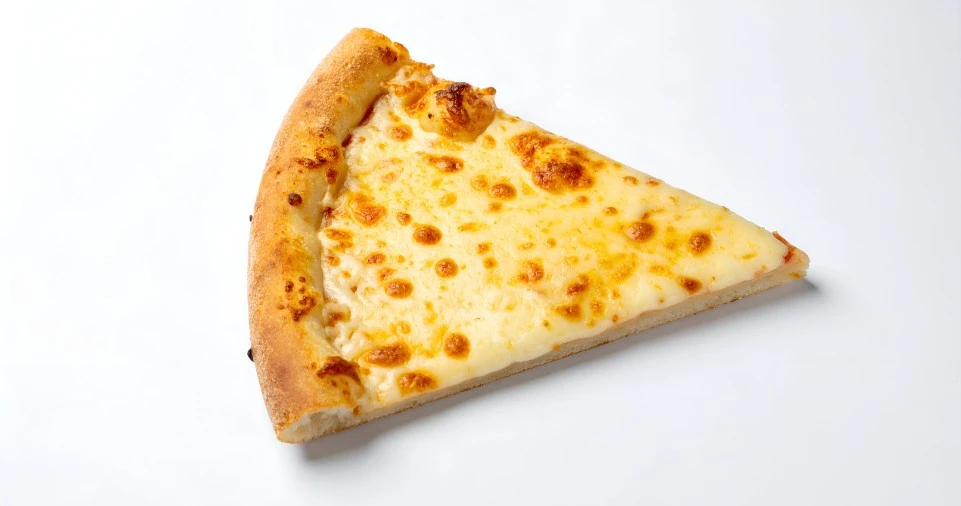
The Situation: You’re ordering pizza for your family. The menu offers 10-inch (personal), 12-inch (medium), and 14-inch (large).
The Problem: Two inches doesn’t sound like much difference, but pizza area increases exponentially, not linearly.
How 10 Inches Helps: A 10-inch pizza has about 78.5 square inches of food. A 12-inch has 113 square inches. That’s 45% more pizza for usually just 20-30% more money. Understanding the actual size helps you order efficiently.
Visual Aid: Picture your dinner plate (10 inches). A 10-inch pizza covers the plate edge to edge. Is that enough for your crew? Probably not if you’re feeding more than two people.
Scenario 3: DIY Picture Frame Spacing
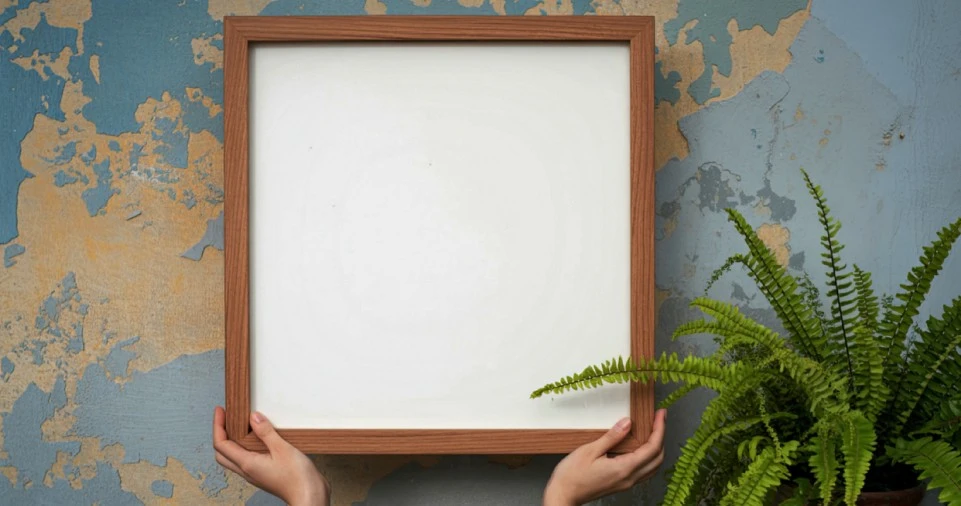
The Situation: You want to hang three picture frames in a horizontal row with equal spacing between them.
The Problem: What looks “evenly spaced” to your eye might be 6 inches, 10 inches, or 14 inches apart. Guessing often leads to uneven results and extra nail holes in your wall.
How 10 Inches Helps: Use consistent 10-inch spacing by measuring with your three-card method. Mark lightly with pencil, step back, verify it looks right, then commit with nails.
Pro Tip: For standard 8×10 frames, 10-inch spacing between frames creates pleasing visual rhythm without crowding.
Scenario 4: Helping with Geometry Homework
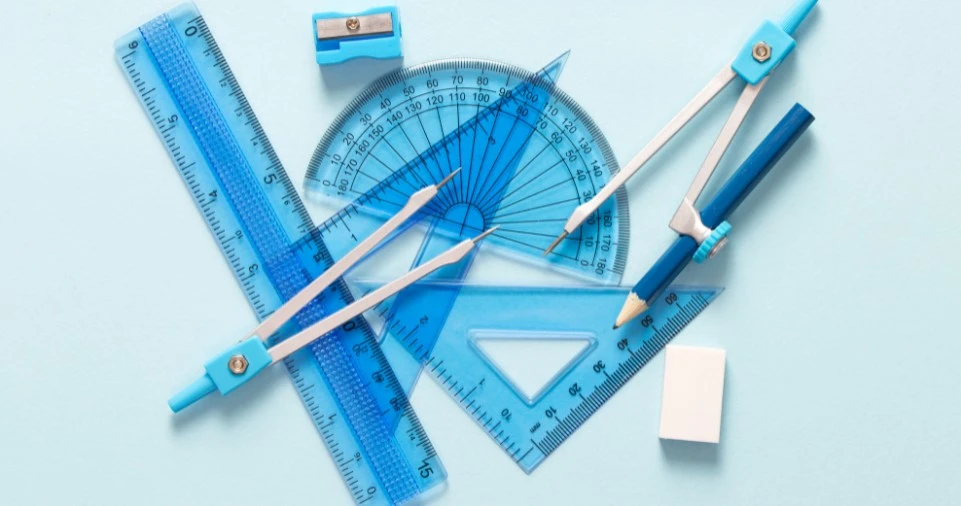
The Situation: Your child’s assignment says “Draw a line segment exactly 10 inches long.”
The Problem: They don’t quite grasp what 10 inches looks like, and abstract numbers don’t help.
How 10 Inches Helps: Hand them three credit cards. “Place these end to end. That’s 10 inches. Now use your ruler to draw a line that same length.” Suddenly, it clicks. They’ve touched it, seen it, and understood it.
Teaching Tip: Kids learn measurements better through tangible comparisons than through numbers alone. Start with objects, then move to rulers.
Understanding Context: Is 10 Inches Big or Small?
Here’s something most articles skip: 10 inches isn’t inherently big or small. Context determines everything.
Let me show you what I mean:
For a smartphone: 10 inches would be absurdly large. You’d need cargo pants to carry it. Even the largest phones max out around 7 inches diagonally.
For a pizza: 10 inches is small—a personal size. You’re feeding 1-2 people maximum. Move up to 14 inches, and you’re feeding 3-4.
For a laptop: 10 inches is small, verging on too cramped for comfortable work. Most people prefer 13-15 inch screens for productivity.
For a dinner plate: 10 inches is standard. Not oversized, not tiny. Just right for a balanced meal.
For a kitchen knife: 10 inches is on the larger end. Chef’s knives typically range from 6-10 inches, with 8 inches being most common. A 10-inch blade gives you versatility for large ingredients.
Why 10 Inches Became a Standard Manufacturing Size
You’ve probably noticed 10-inch products everywhere: tablets, pans, plates, cutting boards. There’s a reason.
Manufacturing loves standardization. Ten inches offers practical benefits:
- It fits standard packaging – Boxes, shipping materials, and retail displays are designed around common measurements
- It matches hand ergonomics – Most adult hands can comfortably manage 10-inch items
- It’s a decimal-friendly number – Easy for calculations and conversions
- It balances portability with functionality – Not too big, not too small
Additionally, 10 inches converts relatively cleanly to metric: 25.4 cm. While not perfectly round, it’s close enough to 25 cm to work in international manufacturing.
Context comparison table:
| Product Type | 10 Inches Is… | Typical Range |
|---|---|---|
| Smartphone | Too large | 5-7 inches |
| Tablet | Standard/Medium | 7-13 inches |
| Laptop Screen | Small | 11-17 inches |
| Pizza | Small (personal) | 10-18 inches |
| Dinner Plate | Standard | 9-12 inches |
| Frying Pan | Medium | 8-14 inches |
| Kitchen Knife | Large | 6-10 inches |
| TV Screen | Tiny | 32-75+ inches |
Common Mistakes When Estimating 10 Inches (And How to Avoid Them)
Even with all these references, people still make predictable errors. Here’s what to watch out for:
Mistake #1: Assuming Your Hand Span Is 10 Inches

The Error: People stretch their hand and declare, “See? 10 inches!” without ever measuring.
The Reality: Average adult hand span ranges from 7.5 to 9.5 inches. Only people with particularly large hands actually hit 10 inches.
How to Avoid: Measure your hand once with a ruler. Write it down. Use your actual measurement, not an assumption.
Mistake #2: Confusing Diameter and Diagonal Measurements
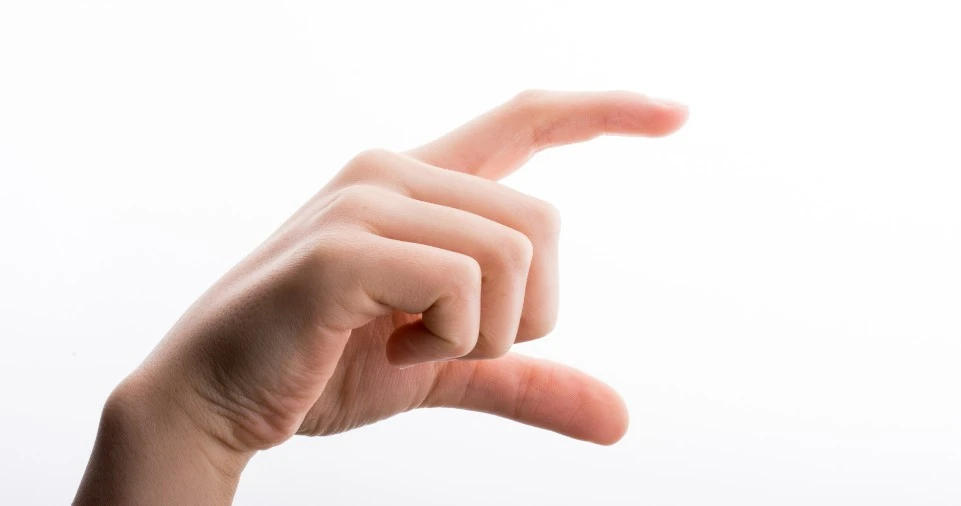
The Error: “My laptop is 10 inches” when referring to screen diagonal, then wondering why a 10-inch case doesn’t fit.
The Reality: Diagonal measurement ≠ length or width. A 10-inch diagonal screen might sit in a 12-inch-long device body.
How to Avoid: Always clarify what dimension you’re measuring. Length? Width? Diagonal? Circumference? They’re all different.
Mistake #3: Mixing Up Inches and Centimeters
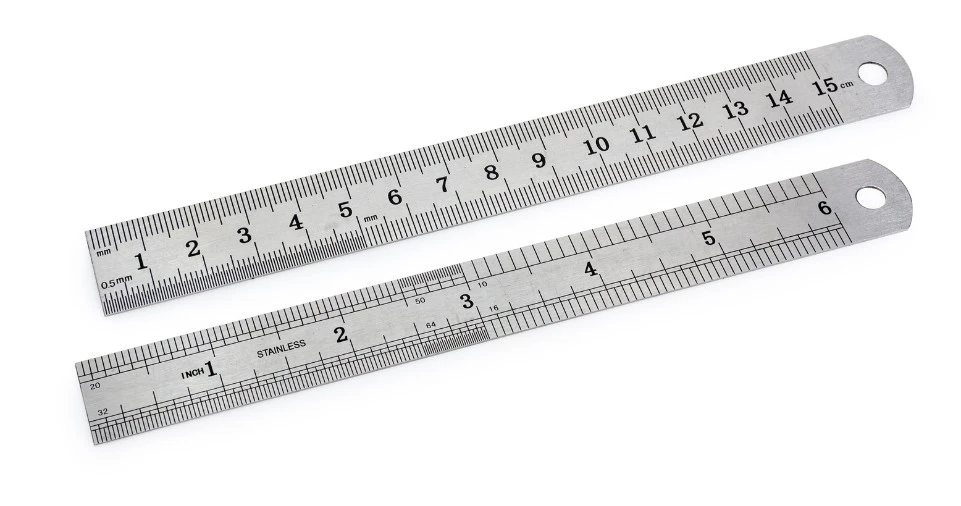
The Error: You’re in a rush, see “25” and think “close enough to 10 inches.”
The Reality: 25 centimeters equals 9.84 inches. Close, but not the same. 10 inches equals 25.4 centimeters exactly.
How to Avoid: Remember the conversion: 1 inch = 2.54 cm. Multiply inches by 2.54 for centimeters, or divide centimeters by 2.54 for inches. Or use this quick reference: 10 inches is “about 25 cm” (if precision doesn’t matter).
Mistake #4: Relying on Inconsistent Objects

The Error: “All dinner plates are 10 inches, right?”
The Reality: Plates range from 9-12 inches commonly, with some decorative plates going much larger or smaller.
How to Avoid: Measure your specific plates once. Then you’ll know which ones in your cabinet are reliable references.
Mistake #5: Overestimating by “Feeling”
The Error: Holding your hands apart and saying, “This feels about right.”
The Reality: Humans are terrible at estimating lengths from memory or feeling. Studies show people typically overestimate by 20-30%.
How to Avoid: Always use a physical reference object. Don’t trust your gut—trust your debit cards.
Frequently Asked Questions About 10 Inches
Q: How big is 10 inches compared to a foot?
A: Ten inches equals approximately 83% of a foot. Since a foot is 12 inches, you’re missing about 2 inches to complete the full foot. Visually, imagine a standard 12-inch ruler and remove about 17% from one end.
Q: What’s the easiest way to remember what 10 inches looks like?
A: The simplest memory trick: Three cards make ten. Credit cards are everywhere, standardized, and when you place three end-to-end, you’ve got your 10-inch reference. Keep this rule in your head, and you’ll never be stuck estimating blindly again.
Q: Can I use my phone to measure 10 inches?
A: Yes, but indirectly. Your phone screen is likely 5.5-6.5 inches diagonally. That’s roughly half of 10 inches. You can use your phone as a baseline and double it mentally. However, for more precision, consider downloading a measurement app that uses your camera and AR technology—though these work best for larger dimensions.
Q: How do I teach my child to understand 10 inches?
A: Start with tangible objects they use. Show them three credit cards, a dinner plate, or a personal pizza. Let them hold these items. Then have them use a ruler to verify the measurement. Kids learn best when they can touch and see, not just hear numbers. Make it a game: “Find five things in our house that are about 10 inches long.”
Q: Is 10 inches a common size for products?
A: Yes, extremely common. Manufacturing gravitates toward standard measurements for efficiency. You’ll find 10-inch tablets, frying pans, dinner plates, cutting boards, and picture frames everywhere because it hits the sweet spot between portability and functionality. It’s also a nice round number that’s easy to calculate in pricing, packaging, and design.
Q: What’s 10 inches in metric measurements?
A: Ten inches equals 25.4 centimeters exactly, or 254 millimeters. This converts to approximately 0.254 meters. For quick mental math, remember that 10 inches is “about 25 cm”—close enough for most practical purposes.
Q: How accurate are body-based measurements like hand span?
A: Not very, unfortunately. Hand spans vary wildly based on genetics, age, and gender. While convenient when you have no other option, they should be your last resort. The variation can be ±2 inches or more. If you’re going to use your hand, measure it first with a ruler so you know your actual span.
Q: Is a 10-inch pizza enough for two people?
A: It depends on appetite and what else you’re serving. A 10-inch pizza typically contains about 78.5 square inches of food, usually cut into 6 slices. For two people with moderate appetites, especially if you have sides or salad, it works. For two hungry adults with big appetites and no other food? You’ll probably want the 12-inch or 14-inch instead.
Practical Tips for Quick Estimation in Real Life
You don’t always need perfect precision. Here are practical shortcuts:
At the store: When shopping, bring a credit card. You can quickly estimate dimensions of boxes, frames, or products by comparing to your card (3.37 inches) and multiplying mentally.
Online shopping: Keep a dinner plate next to your computer when browsing. When product dimensions list “10 inches,” place your plate on the desk. That’s what’s arriving at your door.
Cooking: If a recipe calls for a 10-inch pan and you only have a 12-inch, you can still make it work. You’ll just have a thinner layer of food. Understanding these size differences helps you adapt recipes successfully.
Teaching moments: Always have tangible references ready. Don’t say “about this big” with vague hand gestures. Say “about as long as three of these cards” or “the width of our dinner plate.”
Take This Knowledge Into the Real World
Understanding how long 10 inches is transforms from abstract knowledge into practical skill when you actually use it.
Here’s your action step: Right now, before you close this page, grab three debit cards (or credit cards, or gift cards). Line them up on your desk. Look at the length. Touch it. That’s 10 inches. Your brain just created a permanent reference point.
Next time you’re shopping online and see “10-inch tablet” or “10-inch frame,” you won’t scroll past confused. You’ll picture those three cards. You’ll know exactly what you’re getting.
The measurement becomes instinctive. You’ll find yourself naturally estimating spaces, comparing products, and making confident decisions without second-guessing.
Want to master other measurements too?
Now that you understand 10 inches, learning how to visualize 12 inches, 8 inches, or standard metric conversions becomes easier—they all relate to this baseline you’ve just established.
